
Best Pottery Techniques For Beautiful Handmade Creations
The art of pottery goes beyond than shaping clay. It’s about story telling as well as craft skills and imagination. Every piece of handmade art starts with a process which transforms raw clay into an artistic or functional masterpiece. When you master the essential techniques of pottery, our artists and our students make timeless, evocative ceramic pieces that express the artistry and the soul. Here are the most effective techniques for pottery that we instruct here at Creative Hands Pottery Studio to make beautiful hand-crafted creations.
1. Hand-building
Hand-building is one of the most essential techniques in Creative hands pottery studio. It lets artists collaborate closely with clay, encouraging creativity and natural design.
Pinch Pot Technique
It is considered one of the oldest pottery techniques. Utilizing only thumbs and fingers, the clay is formed into cups and sculptural shapes.
We love it here at Creative Hands:
- Establishes a strong bond between the material and the artist
- Ideal for unique, expressive items
- Suitable for teaching form, balance, and thickness control
Coil Building Technique
Coil building involves layering clay coils into vessels and sculptures. The coils can be blended into a smooth or textured surface.
Creative benefits:
- Perfect for tall vases as well as form-fitting forms.
- Allows for artistic freedom and a surface design
- Ideal for traditional as well as modern styles
Slab Building Technique
Slab building uses clay sheets cut and assembled to form sculptural shapes, such as plates, planters, and even functional pottery.
It is best used to:
- Modern designs and clean lines
- Ceramics that are functional, such as mugs and trayware
- Geometric and architectural creations
2. Wheel Throwing Methods
Wheel throwing is among the most popular pottery techniques, requiring practice and a high level of precision.
Centreing The Clay
It is the most critical process in wheel throwing. The correct alignment of clay is essential to ensure even forms and also walls.
Benefits:
- Stops collapsing and wobbling.
- Improves symmetry and uniformity
Shaping And Pulling
Drawing clay upwards to form walls. The controlled pressure produces sleek curves and elegant shapes.
The reason it is essential:
- Decides thickness and height
- Forms that look professional and elegant.
3. Surface Decoration Techniques
Decorated surfaces enhance the visual beauty and distinctiveness of handmade pottery.
Carving And Incising
Carving designs into the clay is a great way to add appearance and texture.
Best for
- Beautifully designed and detailed
- Cultural and traditional motifs
Slip The Trail
Slip trailing is the process of pouring liquid clay through a nozzle or bottle to create raised patterns.
Why do artists adore it
- Creates depth and texture
- Perfect for expressive and decorative pieces of art
4. Glazing Techniques
It’s the magic method that transforms a basic clay mold into a beautiful work of art. An appropriate glazing technique enhances depth and color. We at Creative hands pottery studio encourage artists to investigate glaze as both a technique and an artistic expression.
Pouring And Dipping
Pouring and dipping are two of the most effective glazing methods to achieve a smooth, even coverage.
Dipping is the process of submerging a bisque-fired object directly into the bucket of glaze, which allows the glaze to be poured over the entire surface.
Pouring is recommended for larger or less delicate items, where the glaze is applied to the surface to control flow and thickness.
The reason these methods work
- Maintain a consistent thickness of the glaze
- Make professional and clean designs.
- The perfect functional ceramics, like cups and plates
Brushing
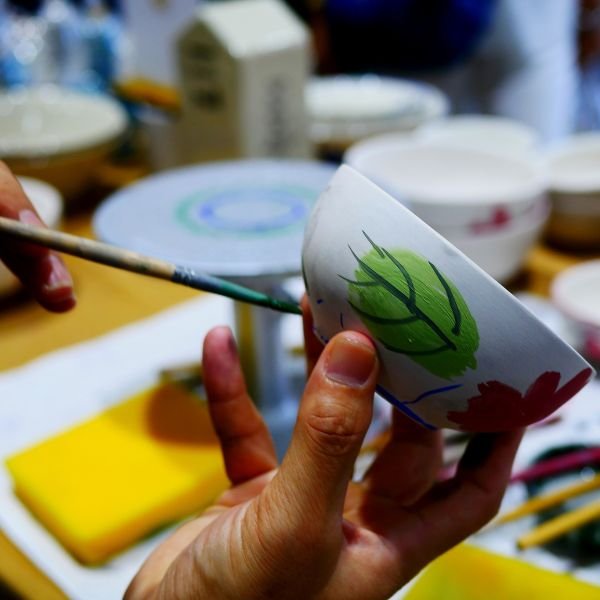
Brushing allows for precise details and artistic control. With soft brush strokes, glaze can be applied in thin layers for a richer color.
The best uses of brushing:
- Designs and patterns with decorative designs
- The emphasis is on specific areas
- Application of several colors onto one single piece
The use of brushes is particularly popular in expressive and artistic pottery, as it allows potters to apply the design to the canvas while preserving the original quality of the pottery.
Layered Glazing
Layered glaze involves applying multiple glaze colors over one another to create motion and visual depth. After firing, the layered glazes react in a variety of gorgeous ways.
Benefits of creativity from Layered glazing
- Dynamic, vibrant color variation
- Unique surface textures and flowing effects
At the Creative hands pottery studio, layers of glaze are an ideal way to play with and explore new combinations, making every piece an original.
The Firing Techniques Of Clay: Transforming Into Ceramic Art
The firing stage is the last and most transformational stage of making pottery. When fired, the soft clay transforms into strong ceramic. At the Creative hands pottery studio, the firing process is seen as both a technical process and a creative moment, when the patience and skill of every handmade item are put to work to bring it to life.
FAQ
1. How crucial is it to glaze when creating stunning pottery?
Glazing is crucial. It adds dimension, color and finishes while making the pottery more durable and useful. Techniques like brushing, dipping and layering glazing could transform a basic clay object into an impressive masterpiece.
2. Do beginners have the opportunity to try out advanced techniques in pottery?
Yes. When properly guided, beginners are able to explore methods like glaze throwing and wheel throwing . In the Creative hands pottery studio, methods are explained step by stage to help build confidence and skills.
3. What is the time required to master the art of pottery?
It’s a process. It is possible to learn the basics over a short period of time, however mastering the art of pottery takes practice as well as patience and trial. Every piece aids in developing better control and understanding of art.
4. What is the thing that makes pottery made by hand truly gorgeous?
Beautiful pottery can be created by:
- Innovative design
- Expertly-trained technique
- Creative glazing
- Careful firing
- Pay attention to the final particulars.
5. Are there ways to incorporate multiple ceramic techniques into one work?
Absolutely. Some beautiful pottery pieces mix hand-built components or employ various surface designs and glaze methods to give an atmosphere of character and depth.