

What Are Different Techniques of Pottery Making?
A variety of methods called techniques are used to shape clay into pottery. These include hand building, wheel throwing, molding, and slip casting. Mastering and becoming…
Read moreTherapy professionals, parents, and educators from Dubai, Ras Al Khaimah and Sharjah are looking increasingly beyond the traditional therapeutic rooms, seeking out innovative, hands-on exercises that nurture the entire child. Pottery is one of these activities. It is ancient, tactile and incredibly patient: clay doesn’t judge, rush or demand perfection. That alone will make it a great choice for youngsters with determination.
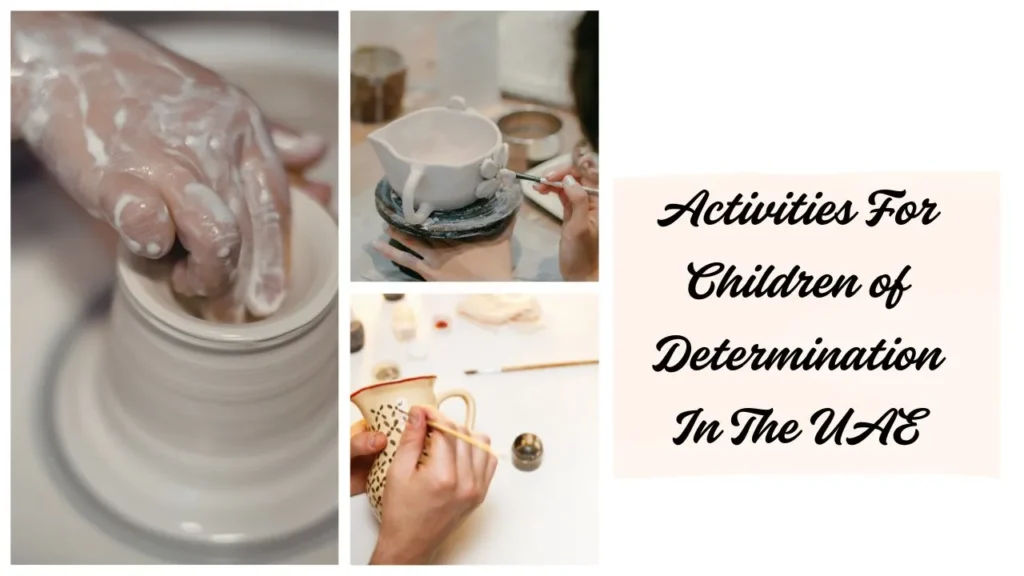
In contrast to other art forms, clay is an art form that engages the entire body. Children working with clay utilize their wrists, hands, forearms and the core. They have to regulate their pressure, look at the texture and be able to adapt to sudden modifications in the clay. Whole body participation is exactly the approach occupational therapists and development experts suggest for children who have physical or neurological impairments.
“Clay is one of the few materials that responds to every touch — it gives immediate, honest feedback. For children who struggle to connect intention to outcome, that responsiveness is transformative.”
Pottery can also operate in its own way. There’s no right or wrong method to start. Clay lumps can be pulled, pushed or pinched. Then it can be turned or flattened before being rebuilt. In fact, the entire process is the main point and not only the final product. This flexibility eases anxieties and makes it accessible to an array of skills.
Fine motor development |
Sensory Integration |
Focus and concentration |
|
Pinching, rolling and shaping clay develops the hand’s strength and precision, and transfers these skills directly to writing, as well as everyday tasks. |
The texture and strength of the clay can help control the processing of sensory information — particularly helpful for children with sensory processing disorders or autism. |
Achieving a goal through creativity develops a habit of sustained focus with no pressures that academics can create. |
Self-confidence |
Communication & expression |
Social skills |
|
Completing a piece gives a child something made with their own hands — that sense of authorship builds genuine, lasting pride. |
For children who aren’t able to communicate verbally, making something tangible provides a very effective non-verbal method to communicate emotions. |
The group sessions provide natural chances for exchanging materials and recognizing one another’s accomplishments. |
It isn’t a universally recommended activity – it’s an adaptable activity. If you can facilitate it with care and a judicious approach, it can support kids with many different characteristics.
|
Autism (ASD) |
Clay’s predictable sensory feedback can be deeply calming. The repetitive movements of coiling help self-regulation, while creativity allows for new ways of expression. |
|
ADHD |
The active, hands-on nature of pottery draws focus in ways that passive activities are unable to. Children who have ADHD tend to be more successful when they are doing rather than just watching. |
|
Down syndrome |
Pottery strengthens hands and wrist muscles, while providing fun, rewarding exercises that help build confidence and skills for life. |
|
Cerebral palsy |
Classes are adapted to accommodate those with limited mobility or upper limb differences. It allows participation at every ability level. |
|
Learning difficulties |
Pottery is a true zone of competency in which intelligence can be expressed by creating rather than memorizing. |
|
Stress and emotional regulation |
Physical and calming qualities that come from using clay have been documented in art therapy to reduce anxiety, as well as assist in emotional regulation. |
The UAE has taken significant steps to support People of Determination, including inclusive education policies, and hands-on creative activities such as pottery are increasingly used to support their development.
The institutions all over Ras Al Khaimah, as well as the entire UAE, acknowledge arts and crafts and pottery as essential to developing physical strength and fostering self-confidence among determined students. The government’s “Year of Community” vision demonstrates the significance of having inclusive places that are creative and serve all members of society.
For many families living across the UAE, access to welcoming, highly facilitated and inclusive pottery experiences beyond institutional environments is very limited. Studios such as Creative Hands — designed from the ground up with adaptability in mind– can fill the gap by providing smaller groups with a relaxed pace, as well as instructors who understand how to alter techniques to accommodate different requirements.
At Creative Hands, sessions for kids of determination are planned on two fundamental principles: joy and safety. We keep groups small, so everyone receives the same level of attention. First, it lets the children play with the clay on their own terms. We guide the children through simple handbuilding pottery techniques that are appropriate to their abilities. Parents are invited to watch or join in with their children. Pottery experiences that are shared strengthen the bonds and can help parents find new ways in which their child communicates. Techniques we work with include:
Children typically require only one or two times in order to get used to the sensory sensation of clay. The best studios will not hurry the procedure.
Experienced instructors who have worked with kids of determination can modify language, pace and techniques with ease. Check with studios on how they handle accessibility prior to booking.
Do not judge your work by its final product. An unbalanced pot that was made by hand will be worth more than one that is made by heavy-handed guidance.
Similar to any other therapeutic endeavor, the benefits of pottery will increase with time. The weekly or fortnightly classes are more likely to result in noticeable improvement in development.
Creative Hands offers adapted pottery sessions for children of determination in Ras Al Khaimah. In small groups, we offer a friendly and welcoming studio space.
Contrary to most forms of art, it engages the entire body — hands, wrists, forearms, as well as the core. The clay provides instant, real tactile feedback. This means that every contact produces an immediate result. Its responsiveness is particularly effective for kids who struggle to connect intention to outcome. There’s also no correct or wrong method to work with clay. This eliminates the pressure of performance and allows it to be used by all capabilities.
A regular session of pottery can aid children from a range of different domains:
Yes, it’s strongly encouraged. Participation in shared pottery activities strengthens the bonds between parents and child, and may aid parents in discovering different ways that the child expresses themselves and communicates their feelings.

Book a 1.5-hour pottery session in Ras Al Khaimah, all materials included.
A variety of methods called techniques are used to shape clay into pottery. These include hand building, wheel throwing, molding, and slip casting. Mastering and becoming…
Read moreAre you looking for the most enjoyable activities for kids within Ras Al Khaimah for your next family trip? Ras Al Khaimah has many options for…
Read moreRas Al Khaimah is one of the most diverse destinations that offers a breathtaking mix of beaches, mountains, desert landscapes, traditional heritage sites and unique experiences.…
Read more