
Glazing Techniques in Pottery – A Complete Guide by Creative Hands Pottery Studio
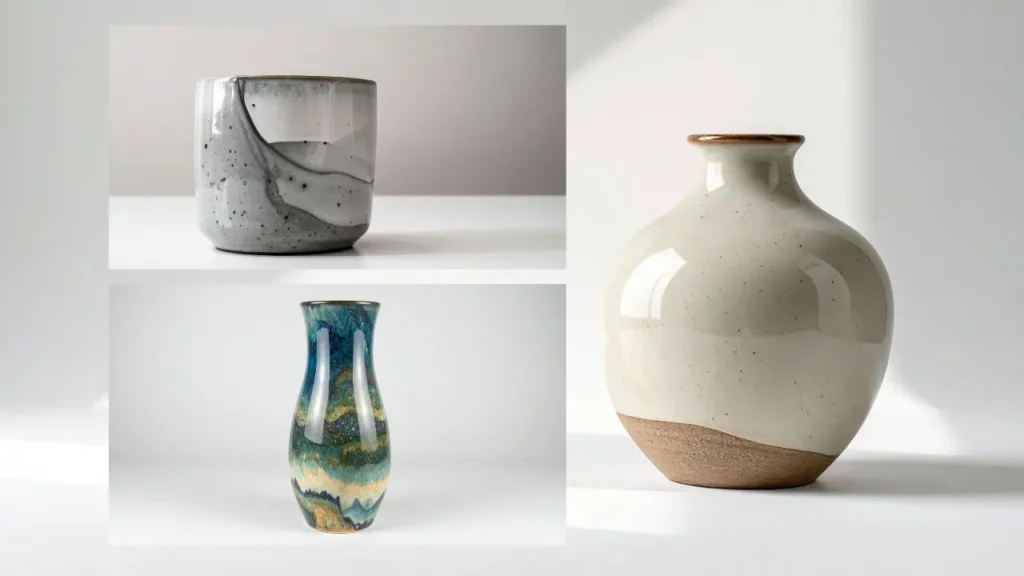
Glazing is the transformational process in pottery that lets creativity, art, science, and technique are brought together. It’s the process which transforms a bisque-fired piece of clay into a vivid, sturdy and practical piece of art. From shiny finishes to earthy matte textures, to layers of color reactions, and stunning crackle effects, glaze techniques can open the door to infinite opportunities for artistic expression.
We at Creative hands pottery studio, we believe that mastering the art of glazing is vital to every artist working in ceramics, regardless of whether you’re starting your journey into pottery or enhancing your skills. Learning the ways different glazes interact with clay bodies as well as the kiln temperature allows you to design distinct surfaces, improve longevity, and allow your visions into reality.
In this comprehensive guide, we will explore the most well known and efficient techniques for glazing pottery and explain the way they function and offer expert advice for achieving professional outcomes.
What is pottery glazing?
The primary purpose of pottery glazing is to provide a finishing step that turns unfired bisque clay into an efficient and striking piece of ceramic. The process involves putting an insoluble mixture composed of silica, minerals and metal oxides, also known as glaze, on the surface of ceramic. After the piece has been heated in a kiln, at extreme temperatures, it melts the glaze and then fuses with the clay body, creating the appearance of glass.
This process is scientific and artistic. During the firing process, a chemical reaction takes place in the glaze that creates distinctive colors, textures and effects on the surface that determine the final look of the pot.
Why is Glazing Important?
Glazing is a key element for the appearance of ceramicware.
- It improves texture and color. Glazes provide the depth, vibrancy and character to surfaces made of clay.
- It makes pottery waterproof. The melting glaze protects the porous clay, making it safe for storing liquids.
- Enhances longevity When properly fired, a glaze is stronger and enhances the resistance to wear.
Creates beautiful effects In gentle earth tones, to spectacular cracked finishes, the glazing feature can be used to create endless artistic expression.
Dipping Technique In Pottery Glazing
The dip technique is among the most popular and reliable glazing techniques within pottery studios. The technique is known for its simplicity and consistency. Dipping enables ceramicists to get uniform, smooth glaze coverage in a short amount of effort. Due to its effectiveness and polished quality, it’s especially used for practical and production work.
How the Dipping Technique Works
- The bisque fired ceramic piece is delicately held before being dropped into a bucket full of properly mixed glaze.
- The glaze is immediately able to cover the entire surface in an even coating.
- The pieces are removed within a couple of seconds, permitting excess glaze to drain off evenly prior to drying.
- A proper time is vital. A quick dip could produce a thin coating and too much could result in a thick glaze that can be splattered during firing.
Why choose the dipping Method?
Dip techniques have numerous advantages and make it the preferred method of ceramic artists.
- Even coverage ensures a consistent glaze thickness over the entire area.
- Perfect for functional ware. Ideal for bowls, mugs, plates and many other daily ceramic objects that need durability and water-proofing.
- Speedy and Effective saves time, particularly when glazing several parts in batches of production.
Since it is reliable, dips reduce the possibility of seeing marks on the brush and uneven texture, leading to a professional and clean appearance when firing the kiln.
Brushing Technique In Pottery Glazing
Brushing is a process that can be a flexible and expressive method of glazing that allows ceramicists to have complete control over their design. As opposed to pouring or dipping, brushing permits you to apply glaze exactly the way you’d like to.
In the Creative hands pottery studio, the practice of brushing is an option for both students and artists that want to experiment with complex patterns, layers of colors, and personal designs in ceramic.
How The Brushing Technique Works
- Brushing glazes require perseverance and precision, yet the result can be stunningly precise.
- Glazes are applied using the use of a brush directly on the bisque-fired surface of pottery.
- Multiple coats of paint are laid to create the depth, richness and for proper thickness.
Pouring Technique In Pottery Glazing
The pouring method is an efficient glazing technique which is especially suitable for hollow forms of ceramic like bowls and vessels. The technique guarantees that the inside surface of the ceramic is uniformly coated. At Creative hands pottery studio, pouring is an important skill taught to students, creating useful ware that requires solid waterproofing as well as a flawless inner finish.
It’s a simple process, but is a steady and controlled process:
- Glaze is put into the part and fills the inside either completely or partially.
- The piece is slowly turned so that the glaze can be allowed to be applied over the entire surface in a uniform manner.
- Any leftover glaze is removed and left a uniform layer of glaze waiting to be fired.
Sgraffito Technique In Pottery
The sgraffito method is a pottery decoration method that incorporates drawing and carving in order to produce stunning designs on the surface. The term “sgraffito” is an Italian word which means “to scratch” that perfectly describes the method. This method involves scratching the layer of glaze or color-coated slip in order to expose the clay beneath, creating an intense contrast as well as intricate art.
In the Creative hands pottery studio, Sgraffito is a popular choice for artists who appreciate drawing, fine detail and expressive design of surfaces.
The Sgraffito Process
- This technique demands precise timing, accuracy and a sense of humor:
- Use colored slips or underglaze uniformly onto bisque or leather-hard clay.
- It is recommended to let it be dry to the point that it becomes dry but workable.
Carve designs on the clay surface with carving tools, loop tools, or needles in order to show the clay underneath.
Layering And Overlapping Glazes In Pottery
Layering and overlapping of glazes is a sophisticated and extremely creative technique for glazing that requires the application of multiple glazes to each other prior to firing. In the process of firing a kiln, the glazes react chemically and produce stunning surface effects that can’t be created with one glaze by itself.
This technique allows ceramicists to go beyond the simple color applications and to explore sophisticated, intricate finishes that are with movement and dimension.
How Glaze Layering Works
This process usually comprises:
- Make a base layer and leave the glaze to set.
- The addition of one or more glazes to specific areas, or even the entire whole.
- The piece should be fired at the proper temperature that allows for the glazes to melt and mix.
Raku Glazing Technique In Pottery
Raku glaze is among the most exciting and dramatic firing methods in the realm of ceramic. Famous for its distinctive streaks of crackle and shiny finishes, Raku transforms pottery into stunning works of art by using a distinctive and unpredictable firing method.
Raku glazing is known for its stunning outcomes and hands on learning experience giving artists an opportunity to connect to firing.
What Makes Raku Glazing Unique?
Contrary to the traditional firing techniques for kilns, Raku involves removing pottery out of the kiln whilst the kiln is still warm. Rapid temperature changes play an essential role in forming the distinctive effects on its surface.
Key Characteristics:
- Rapid removal from the oven while it is still hot. The piece is pulled out at the highest temperatures using metal tongs.
- Reduction of post-firing-The hot pottery is put in a pot which is stuffed with combustible material such as sawdust or even paper. The smoke that results from the process is a reaction between the glaze and the clay body.
- Unique crackled glaze surfaces — The quick cooling causes crackle patterns and smoke darkens clay surfaces, which enhances the contrast.
Tips For Perfect Pottery Glazing
Achieving consistent outcomes in the pottery glaze process requires more than simply selecting the perfect shade. Proper technique can make the difference between typical finishes and a professional quality piece. Here at Creative hands pottery studio, we guide artists through fundamental glazing techniques to help them avoid common errors and create stunning ceramic pieces.
Always Test Glazes On Sample Tiles
Before applying the glaze, test it on sample tiles made from the same clay. Glazes may appear very different after firing due to temperature variations. Test tiles help you
Predict color outcomes
Make sure you check the texture and finish.
Apply Even Coats
It is vital to have consistency in the glazing. Inconsistent application could cause streaks, patches, or inconsistent results in color.
- Make sure to stir the glaze thoroughly prior to using.
- Use uniform layers of paint when brushing
- Adjust the time of dipping for a more even thickness.
Even coats guarantee a smooth melt and an expert final product following firing.
Allow Proper Drying Time
The key is patience. The glaze should be dried prior to applying a second coat, or placing the item into the incinerator. A proper drying process:
- It prevents cracking and crawling
- Reduces glaze defects
- Assists in ensuring solid adhesion for a long time
In the event of rushing this process, it could cause unavoidable mistakes in the final product.
Final Thoughts
Learning different glaze techniques for pottery offers endless possibilities for creativity. From dipping and brushing to Raku or layering every technique offers unique textures. In the Creative hands pottery studio, we encourage artists to play with, discover, and show their imagination through the wonder of the glaze process. If you’re looking to enhance your ceramics into stunning glaze effects, then join us today and learn about the art of glaze.
If do you want to know more