
5 Essential Pottery Techniques For Intermediate Students
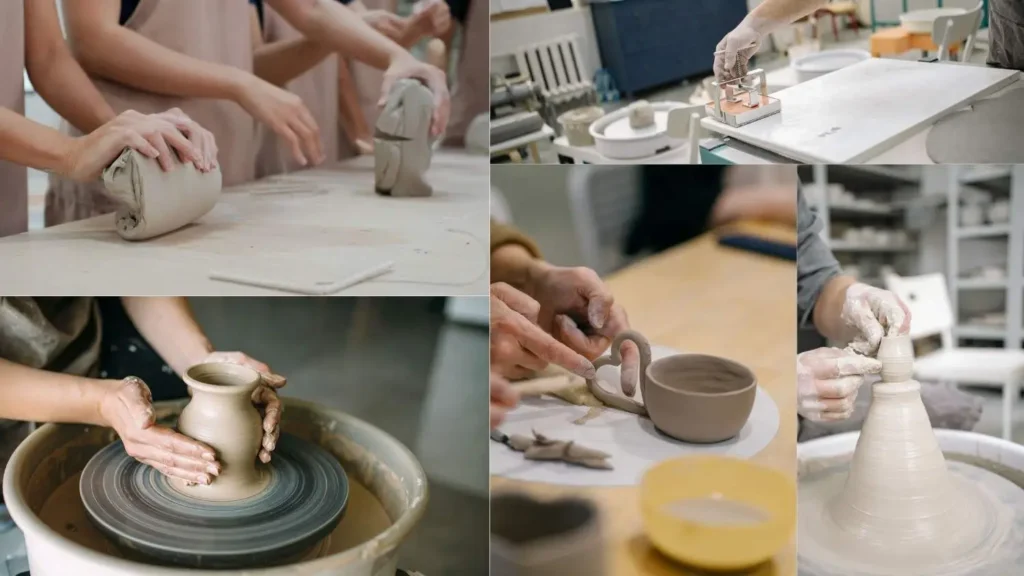
The moment you step into intermediate pottery is when creativity can truly blossom. In Creative hands pottery studio, Intermediate classes are created to allow students to move past basic forms, and build confidence in creating intricate, high-end ceramic pieces. From learning the finer points of the wheel to exploring surface design and glazing techniques, these classes concentrate on the development of technical skills and artistic expression. These are the 5 skills you’ll learn in intermediate pottery classes which will take your journey in pottery up to the next level.
Modern Wheel Throwing Techniques
One of the primary techniques you can learn during ceramics classes for intermediate students is the ability to master advanced techniques for wheel throwing. In this phase, students can move beyond basic shaping techniques to focus on accuracy. At the Creative hands pottery studio, potters can improve their skills and develop confidence at the wheel.
Building walls that are taller and thinner
Intermediate classes help you understand how to move clay upward with constant pressure. This allows you to build taller structures without destroying the shape. It will help you distribute clay consistently, with strength and stability, which is crucial for creating pots, vases, and other vertical forms.
Useful link : pottery workshops for team building events
Maintaining the same thickness
The unevenness of the walls may cause cracks or warping in firing. The students practice controlled hand placement and steady wheel speed to ensure uniform thickness throughout the pottery. It enhances its overall appearance and feel.
Centering Larger Amounts of Clay
Working with larger amounts of clay will require better posture, as well as stronger hands and better coordination. Intermediate students master strategies for efficiently centring larger clay masses on the wheel. It is an essential technique for making large decorative and functional ceramics.
Pulling Handles Like A Pro
In the intermediate pottery classes, one of the skills most valued by learners is using handles like a professional. At the Creative hands pottery studio, students are taught to create handles that are durable, well-balanced, beautiful, and fitted to mugs, pitchers, teapots, and jugs.
Learning The proper Drying Steps
The timing is crucial when gluing handles. The students learn that it’s important to operate in the correct leather-hardness phase to ensure a strong bond between the handle and the vessel. Proper moisture levels prevent cracks, weak joints, or separation during firing.
Blending seamless Handles
Professional finishes require an exact attachment. The students are taught to cut as well as slip, blend, and press joints so that the handle appears as an organic extension of the design rather than an extra piece. It is visually harmonious and forceful.
Lidded Forms
Making lids in pottery is believed to be an intermediate step in the potter’s journey. The design of a jar is one thing; creating the perfect lid demands precision and a technical grasp. At Creative hands pottery studio, pupils develop the skills needed to create functional, well-balanced lidded ceramics.
Accurate Measurement Of Shrinkage
The clay shrinks during both drying and firing. Understanding the process is essential to making lidded pottery. Students in the intermediate level are taught to calculate the rate of shrinkage so that lids and vessels are perfectly sized after firing. This information helps prevent the loss of loose, warped, or too-tightly-fitting lids.
Designing Gallery Rims
A properly designed gallery rim will ensure that the lid rests properly in the vessel. The students learn to create the gallery in a neat, even manner within the vessel, which supports the lid while preserving the overall appearance. The proper rim design improves quality and stability.
useful link : birthday party venues in ras al-khaimah
Handles For Throwing Knobs
The knob can be used for both practical and aesthetic purposes. For intermediate pottery classes, students learn to throw and then attach knob handles to match the size and shape of lids. The importance of proportion and balance is emphasized for improved usability and harmony.
Finding Snug, Functional Fits
The main challenge with lidded pottery is getting an even, comfortable fit. Learners refine trimming techniques and test lid placement for proper alignment. A properly fitted lid should rest well and be effortless to move and rotate. This is a sign of skillful artistry.
Trimming And Foot Ring Perfection
In the intermediate class of pottery, the process of trimming takes place. An unassuming clay shape transforms into a professional ceramic item. The process is crucial to refining the structure and increasing the appearance of the pottery. At Creative hands pottery studio, students are taught that carefully trimming their work can enhance the beauty of their creations.
Carving Beautiful Foot Rings
They are much more than an ornamental detail; they are the basis and appearance of the piece. Students at the intermediate level practice making clean feet rings that are symmetrical, visually elevate the shape, and give it a sophisticated, polished look. An appropriately shaped foot ring adds durability while helping the clay appear more refined and lighter.
The Lightening Of Heavy Forms
Excess clay can make pottery bulky and uneven. Cutting off excess clay removes unnecessary weight from the walls improving durability. Lighter pieces dry more quickly and ignite more evenly, reducing the risk of cracks and stretching.
Enhancing Balance And Proportion
The process of trimming helps students evaluate form, thickness, and coherence. By carefully crafting the base shape and refining curves, potters can achieve better proportions and a visually harmonious design. The balanced pottery feels more comfortable in a user’s hands.
Designing Professional Finishes
The smooth surface, the crisp edges, and a clear base characterize high-end ceramics. Classes for intermediates focus on learning cutting tools and techniques to create smooth lines and polished surfaces that stand out.
You may also like to read, how pottery benefits parents and kids
Surface decoration techniques
Mishima (Inlay Technique)
Mishima is the art of carving patterns into hard, leathery clay, then creating lines by filling them with different slips. After smoothing the surface, the design remains in the clay. This process creates neat, beautiful designs that appear sophisticated and professional.
Texturing Using Tools And Stamps
From nature-inspired objects to handcrafted instruments, texture creates distinctive surfaces. Intermediate students play with carving tools, stamps, and other found materials to create unique finishes that make every piece its own.
Why Choose Creative Hands Pottery Studio for Intermediate Classes?
Here at Creative hands pottery studio, Our Intermediate pottery classes have been carefully designed to help students transition from basic to advanced skills. Our classes are a supportive and professionally trained environment that allows students to confidently advance their skills in pottery.
Increase the Technical Accuracy
Intermediate pottery demands greater control, balance and stability. Our classes are structured to focus on improving wheel-throwing, trim, handling, pulling, and other techniques for decoration. By receiving individualized instruction, our students improve their accuracy with technical terms and learn the discipline required to create high-quality ceramic objects.
Our pottery workshops are:
You may also like to read, indoors activities in ras al khaimah
Final thoughts
From beginner to intermediate-level pottery is a thrilling step in which the artist’s imagination meets technological control. When taking the intermediate pottery classes offered at the Creative hands pottery studio, students go beyond basic designs and start to refine the abilities that distinguish competent ceramic artists. They focus on the finer points of surface design and finishing techniques that help turn ordinary clay objects into expert-quality ceramics.
One of the primary strategies they master is wheel throwing, an advanced technique. Control of wall thickness, height, and symmetry is crucial. Students will learn to construct more balanced, taller forms with even walls and strong, sturdy structures.
The students also gain expertise in pulling handles and attaching them, ensuring that mugs or teapots have a pleasing visual appeal and are comfortable to hold. It is also about understanding the clay’s levels and blending joints with ease.
A further important task is creating lidded shapes with precise dimensions, gallery rims, and well-fitting lids. This type of project builds precision and problem-solving skills.
Intermediate classes also focus on trimming and improving the foot rings and allow students to reduce their forms while improving balance, achieving a professional-looking, polished finish that enhances aesthetics and stability.
Explore more about slabbing technique pottery workshop
If you want to know more
