
What Is The Purpose Of The Glaze On Pottery In Ceramic Art?
Key Topics
What Is Pottery Glaze?
- Glaze Application: Dipping, Brushing, Spraying
- Experimenting with glaze at Creative hands pottery studio
- Glazing: Ultimate Touch On Pottery
Join us to explore the world of glaze!
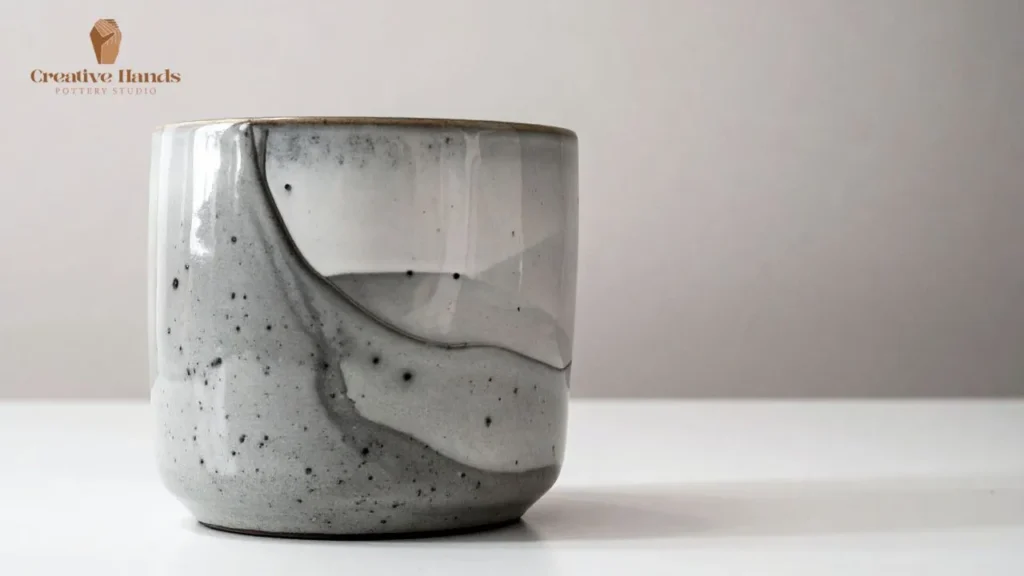
If you have seen the exquisitely polished ceramic piece, you have probably noticed the matte finish that creates its shine. Glaze plays a vital function in both the aesthetics and functionality of the pottery. We at Creative hands pottery studio think that knowing the function of glaze will not only increase your appreciation for pottery, but also spark the imagination of those around you.
What Is Pottery Glaze?
Glaze is a liquid suspended in finely crushed minerals which can be applied to the pottery’s surface. Once the glaze is used, the pottery is fired in a kiln to the highest temperature. This will cause the glaze to melt to the clay, creating the appearance of glass. It can result in an elegant to a rough, matte surface.
1. Protection And Durability
One of the primary purposes of glaze is its capability to shield the pot. After firing, it creates a highly durable and often water resistant surface. Without it, pottery could become impervious to liquids and become more prone to staining and cracking.
2. Aesthetic Appeal
The use of glazes can transform the appearance of an item. It doesn’t matter if you like the earthy, soft tones of a matte finish or vibrant, reflective colors of glossy finishes, glazes can give artists character, texture and depth to the work they create. In Creative hands pottery studio, we let our students and artists explore the variety of glazes available, from transparent, pastel-colored finish to bright-speckled glazes that show the individuality of each artwork.
3. Surface Texture And Visual Interest
The glaze isn’t only about color. It provides texture as well as visual fascination. Certain types of glazes are created to produce crackling that creates a vintage, rustic appearance. Other glazes may create a crystal-like effect with designs which resemble frost, or geometric designs. Glazing also can produce an olfactory surface that gives the pottery a distinctive sensation when you touch it. Textural features enhance the aesthetics of pottery and help the pieces stick out.
4. Enhancing The Color And Design
Alongside adding shine and color to the clay, in addition, it improves the color and design below the top layer. The use of glaze is often to enhance the natural beauty of the clay beneath, or create the illusion of depth with elaborate surface decoration. In particular, a transparent glaze may highlight the depth of the clay’s natural color.
5. Food-safe And Functional Benefits
For those who are passionate about designing functional pottery, glaze is essential. The glaze makes the pottery attractive but also useful. Glazes play a crucial role when it comes to making the ceramic suitable for both food and beverage usage. A lot of potters have food safe glazes.
Glaze Application: Dipping, Brushing, Spraying
Glazing pottery is the place where magic takes place. It’s the last stage that turns your work into a masterpiece of artwork. If you’re making a stunning bowl, decorative vase or even a practical cup, how you use glaze will affect the look of the final product. Here at Creative hands pottery studio we will instruct our students on various methods of applying glaze to allow them to express their creative side and produce beautiful results.
Let’s take a look at the three most sought-after ways to apply glazes: dipping, brushing as well as spraying. Each has their own benefits, and can allow you to create different effects to your ceramic.
What's Dipping?
Dipping is among the most simple and effective techniques to add glaze to your ceramic. Submerge your piece in the container with liquid glaze for an effective layer. When the glaze is removed, it usually drips away and forms an even smooth coating on the surface of the ceramic.
Why Should You Use Dipping?
- Fast and efficient: Dipping is ideal in situations where you’ve got multiple items to glaze or are searching for an efficient or even a simple method.
- Smooth finish: This technique results in a consistent coating of glaze that makes it ideal to create the same look for simple practical objects.
What's Brushing?
Brushing glaze is a lot more tactile method that requires brushes to apply glaze onto the surface of the ceramic. It allows for greater control over the application and is ideal for pottery with intricate designs or for areas that you would like to make patterns or texture.
Why Should You Use Brushing?
Speed And Control
Brushing permits precise application of glaze, ideal for layering or working with intricate designs, textures and handles.
Multipurpose
With brushing, you are able to create a range of effects, such as delicate, thin layers or even thicker applications in particular areas. This gives you more creative flexibility.
Custom effects
You can achieve streaks, textures or brush marks with unique designs which enhance the aesthetic of your piece.
What exactly is spraying?
Spraying glaze is a process which uses a spray gun or airbrush to spread the glaze in a fine mist onto the ceramic. The process can result in an even, smooth coat and also allow the creation of more unique effects, such as smooth transitions, gradients as well as interesting shifting colors.
Why Spraying?
Soft Gradual Transitions
Spraying can be used to create subtle shades of color, or adding layers that smoothly transition from dark to light, or between colors.
Atmospheric Effects
This technique lets you make effects that are hard to create using brushing or dipping techniques, like subtle, misty texture or delicate thin layers.
Less Waste
Spraying glazes can produce a more streamlined applied, controlled process that reduces the amount of glaze wasted in particular when working with high-end or specialty glazes.
Experimenting with glaze at Creative hands pottery studio
At Creative hands pottery studio, we encourage each student to try out glazes, and to explore the numerous possibilities that it can offer. No matter if you’re an aspiring beginner trying to master how to glaze or an experienced artist looking for a new technique to master, we offer advice and tools to help create your own unique design. Kiln firing may seem like an unanswerable process at first, but once you’ve seen the way your glaze changes, you’ll be able to enjoy the process and can be the inspiration for your next work.
Glazing: Ultimate Touch On Pottery
The process of creating pottery — from shaping it to firing the clay—is an art of its own but the process of glazing enhances the work. It’s the place where talent, imagination and science meet in order to make something practical, unique, and personal to you. We at Creative hands pottery studio, we believe in the uniqueness of glaze. We believe that you will leave every class feeling a renewed admiration for this essential process in the making of pottery.
Join us to explore the world of glaze!
Ready to explore the fascinating realm of glazes for pottery? Join a class with Creative hands pottery studio to discover the infinite possibilities of glaze on your own. We are looking forward to seeing your work in the studio!
